"I've lost volume" and "my face looks tired" are the same sentence said two ways — and at Privé Aesthetics in Dallas there are three good answers to it: dermal filler, Sculptra, and EZGel. They're not competitors so much as different tools for different versions of the same goal. Here's how to tell which one your face is actually asking for.
Part of our complete guide to filler and Sculptra.
Part of our complete guide to regenerative aesthetics.
All three add back what age, gravity, and time take away — but they do it on completely different timelines, from completely different materials. Choosing well is mostly about understanding that difference. Let's take them in order of how fast they work.
Dermal filler — instant, precise, reversible
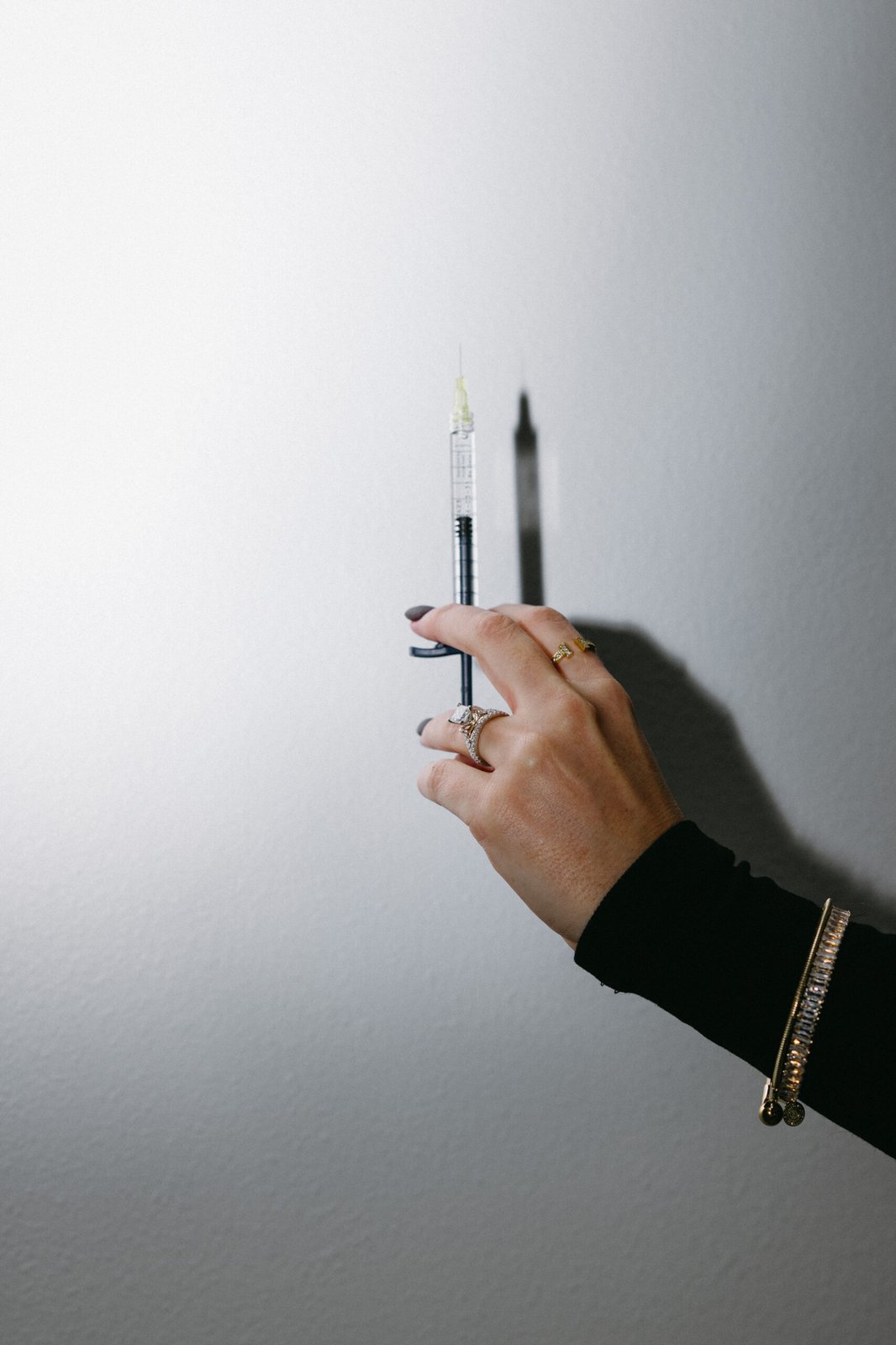
Dermal filler is hyaluronic acid — a synthetic (but naturally-occurring-in-the-body) gel that adds volume the moment it's placed. Its strengths are speed, precision, and reversibility: you see the result that day, it can be sculpted into a specific contour, and because it's HA, it can be dissolved with hyaluronidase if needed. It's the right tool when you want a defined change in a defined place — lips, a specific fold, cheek or jawline contour — with no waiting. At Privé it starts at $700 per syringe and lasts roughly 9–18 months.
Sculptra — gradual, structural, your own collagen
Sculptra isn't filler at all — it's a poly-L-lactic acid biostimulator. Instead of adding gel, it signals your body to rebuild its own collagen over three to six months. The result is gradual, broad, and exceptionally natural, because by the end it's your structure, not a product. It's the answer for whole-region restoration — flattening cheeks, hollow temples, a softening jaw — rather than precise spot-volume. It isn't reversible, so we dose it conservatively in a series. At Privé it's $700 per vial across a series of two to three.
EZGel — natural, autologous, the all-your-own option
EZGel is the all-natural choice: a biostimulator made entirely from your own blood, with no synthetic material at all. A small draw is processed into a fibrin gel rich in your own growth factors, which adds modest natural volume up front and stimulates collagen over the following weeks. It's especially prized for the delicate under-eye area, where its softness and autologous nature avoid the puffiness synthetic filler can cause there. At Privé it starts at $1,000.
How to choose
The clean decision tree: choose filler when you want a precise, instant, reversible change in a specific spot. Choose Sculptra when you want broad structural restoration that builds gradually and reads as completely natural. Choose EZGel when you want an all-natural, your-own-biology option — especially under the eyes. The question isn't which is best; it's which trade fits your goal, your timeline, and your preference for synthetic vs. your own tissue.
The honest answer: they work together
For many patients the real plan isn't one of the three — it's a sequence. Sculptra rebuilds the deep foundation over a season, filler refines specific contours once that foundation is set, and regenerative tools like EZGel handle skin quality and the delicate zones. Asking a single tool to do all three jobs is the fastest route to an over-filled look. We map the combination — and the order — to your face at consultation.
Frequently asked
What's the difference between filler, Sculptra, and EZGel?
Filler is hyaluronic acid gel that adds instant, precise, reversible volume. Sculptra is a poly-L-lactic acid biostimulator that rebuilds your own collagen gradually over three to six months (not reversible). EZGel is a biostimulator made from your own blood — all-natural, modest volume plus collagen stimulation. Same goal, three different materials and timelines.
Which lasts longest — filler, Sculptra, or EZGel?
Sculptra typically lasts longest because it rebuilds your own collagen — often two years or more. HA filler lasts roughly 9–18 months depending on the area. EZGel's collagen-building effect builds over weeks; both biostimulators favor durability over instant volume.
Is Sculptra better than filler?
Neither is 'better' — they answer different questions. Filler is for precise, instant, reversible volume in a specific spot. Sculptra is for broad, gradual structural restoration that reads as completely natural. Many plans use both.
Which is best for under-eyes?
EZGel is often the preferred choice for the delicate under-eye area — it's autologous and soft, which helps avoid the puffiness or bluish tint synthetic filler can cause there. We assess candidacy carefully, since the under-eye is the most technique-sensitive zone.
How much do filler, Sculptra, and EZGel cost in Dallas at Privé?
Dermal filler starts at $700 per syringe; Sculptra is $700 per vial across a series of two to three; EZGel starts at $1,000. We map the right combination and total at consultation based on your goal.
Can I combine filler, Sculptra, and EZGel?
Yes — for many patients the best plan is a sequence: Sculptra to rebuild the deep foundation, filler to refine specific contours, and regenerative tools like EZGel for skin quality and delicate zones. Asking one tool to do all three jobs is a common path to an over-filled look.